Explore the wonders of imagination and creative play
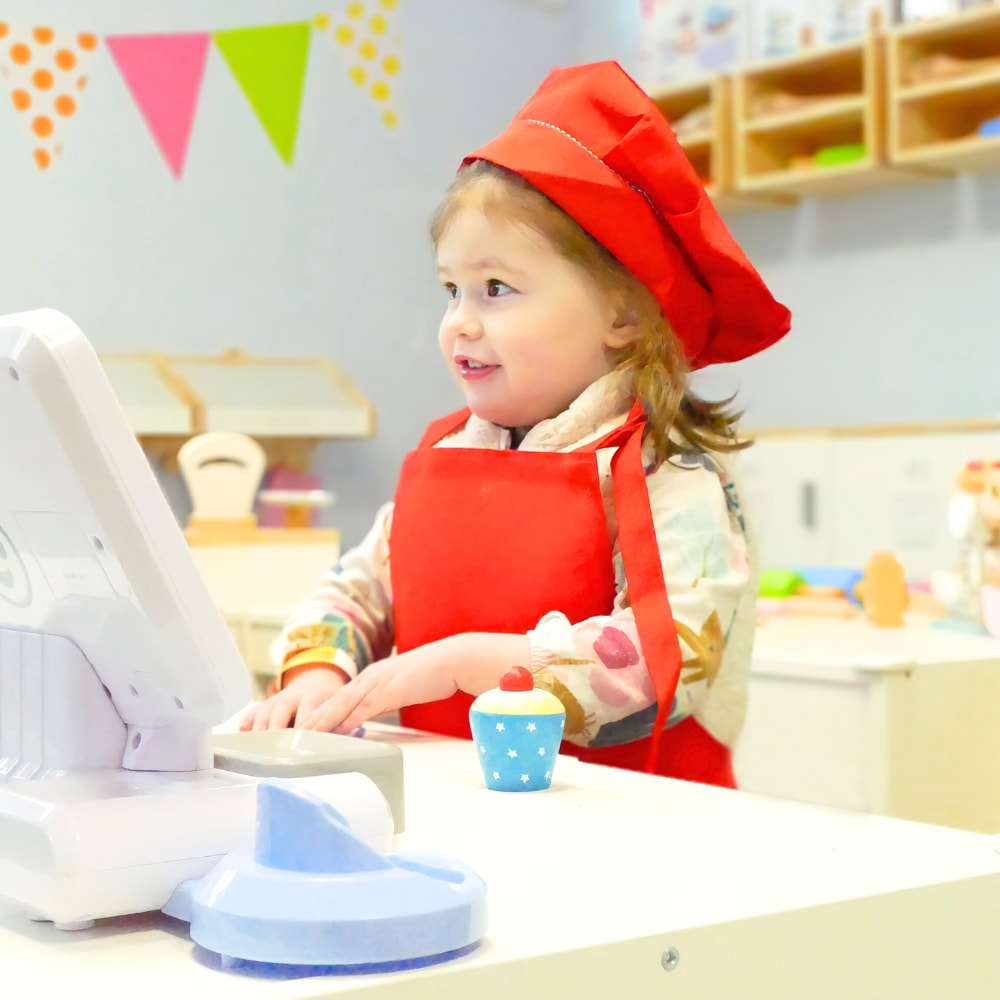
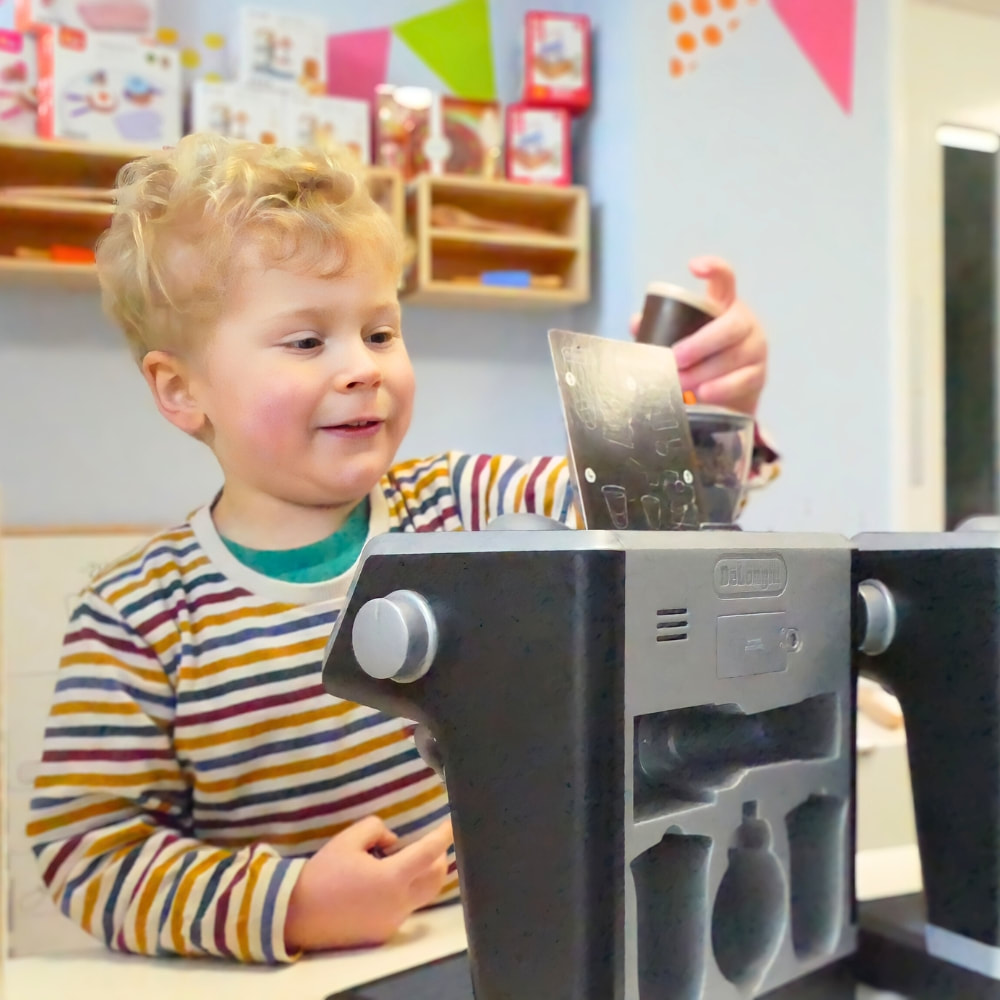
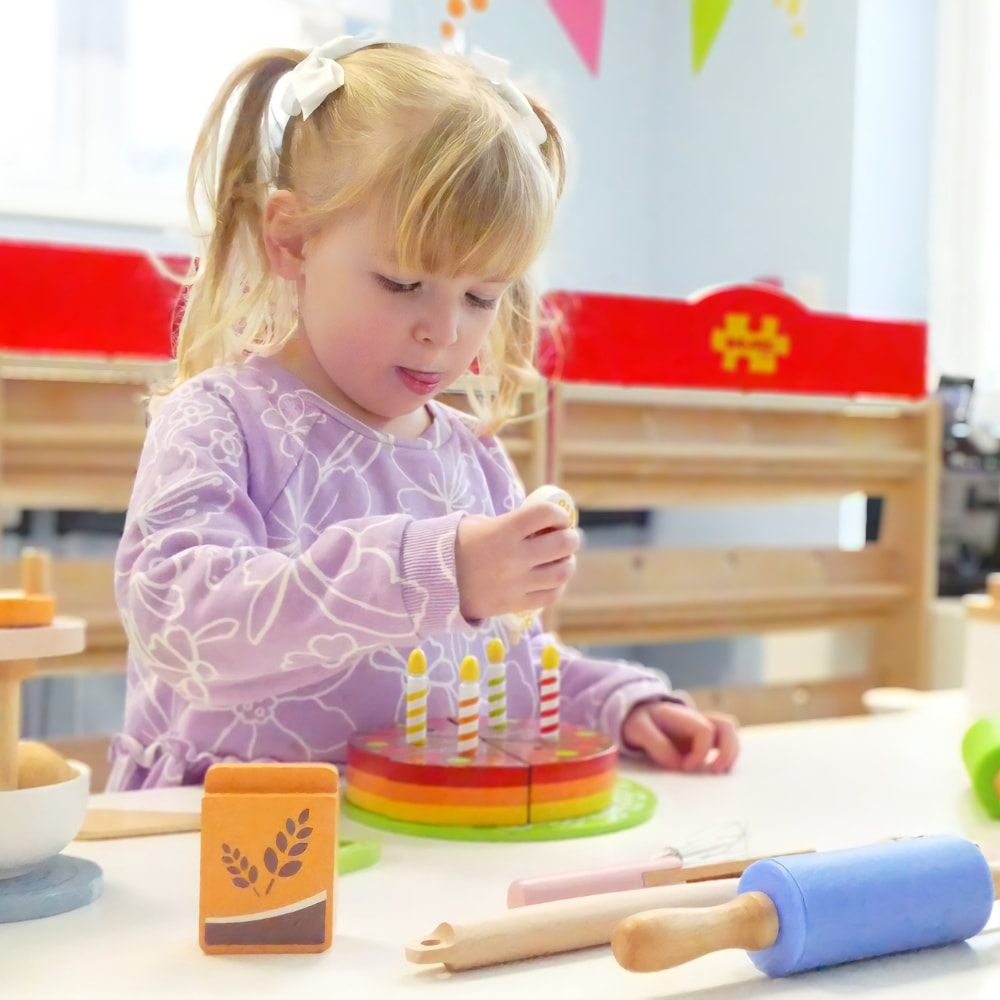
Welcome to Cherry Tree Village, an innovative, interactive rural themed play village for children and their wonderful vivid imaginations... every child’s dream!
We believe in the power of play to ignite little imaginations and spark curiosity for real-world learning. Cherry Tree Village is not just about fun; it is a gateway for children to role-play real-life scenarios through schematic play* and build their confidence.
Currently under construction and opening later this year, the first shops and businesses to open, full of interactive and high quality toys, will include a Plant Nursery, Farm Shop and Animal Barn in addition to a Construction Site Office so the village can continue to expand.
But that’s not all, whilst the village is under construction a range of pop up shops will open for business inside the nearby Village Hall, where little ones can play pretend, making and baking to their hearts content!
We believe in the power of play to ignite little imaginations and spark curiosity for real-world learning. Cherry Tree Village is not just about fun; it is a gateway for children to role-play real-life scenarios through schematic play* and build their confidence.
Currently under construction and opening later this year, the first shops and businesses to open, full of interactive and high quality toys, will include a Plant Nursery, Farm Shop and Animal Barn in addition to a Construction Site Office so the village can continue to expand.
But that’s not all, whilst the village is under construction a range of pop up shops will open for business inside the nearby Village Hall, where little ones can play pretend, making and baking to their hearts content!
Cherry Sundae - open for all!


|
I scream for Ice-Cream... Cherry Sundae Ice-Cream and Smoothie Shop is now open!
Come create, decorate, blend and swirl in our new Gelato kitchen, fully equipped with fridges/freezers, barista machines all the tools and ingredients needed to create crazy flavours and toppings to fill up your Ice-Cream carts and serve up to friends and family. Whirl into imaginative play and have swirls of fun playing with doh, making and shaping pretend fruit and vegetables ready to blend with imaginary ice cubes to serve and share with customers. There's plenty to go around and the only limit is children's imagination! Don’t forget to swing by the Gift Shop before you leave for the day, to pick up everything you need to make your own ice-creams at home. Due to small play equipment parts, this play area is only suitable for children over the age of 3. |
Cherry Sundae is open for everyone to come and play
|
Non-School Holidays
Monday, Tuesday & Wednesday 11.30am - 12.15pm Thursday & Friday 11.30am - 12.15pm 1pm - 1.45pm Saturday & Sunday 10am – 10.45am 11.30am – 12.15pm 1pm – 1.45pm 2.30pm – 3.15pm |
School Holidays
9.30am – 10am (Members Only) 10.30am – 11am 11.30am – 12pm 12.30pm – 1pm 1.30pm – 2pm 2.30pm – 3pm 3.30pm – 4pm |
*What is Schematic Play?
Cherry Tree Village has been created and designed around schematic play and we hope grown-ups have fun playing alongside their children as they explore and learn.
Schematic play happens when babies, toddlers and young children are involved in repeated actions or certain behaviours as they explore the world around them and try to find out how things work. It gives parents interesting insights into children’s passions and interests and can help you engage more deeply in their learning and extend their thinking.
Schematic play is not a specific type of play in itself, but rather how a child chooses to play and the type of actions they like to take. There are many types of schemas in play, but it is widely believed that the most common are the following 9 schemas of play:
Click the link for more information and parental support about schematic play.
Schematic play happens when babies, toddlers and young children are involved in repeated actions or certain behaviours as they explore the world around them and try to find out how things work. It gives parents interesting insights into children’s passions and interests and can help you engage more deeply in their learning and extend their thinking.
Schematic play is not a specific type of play in itself, but rather how a child chooses to play and the type of actions they like to take. There are many types of schemas in play, but it is widely believed that the most common are the following 9 schemas of play:
- Transporting - fascinated with moving themselves, objects and toys
- Transforming – love to mix different materials and substances together, or seeing if they can change an object’s colour, shape, or consistency
- Enveloping - interested in space and capacity, likes to wrap themselves and their toys up in blankets
- Rotating - a fascination with things that can rotate or spin, and they love exploring curved lines and circles
- Trajectory - interested in how things move horizontally, vertically, or diagonally and how objects respond to being thrown or pushed
- Positioning - interested in placing objects in rows, patterns, or lines
- Enclosing - putting fences up around their toys or placing borders around their drawings
- Orientation - observing objects from different angles and viewpoints by climbing or turning to get a view from upside down
- Connecting - exploring how things join together or separate, like connecting blocks together in a long line or tower, or completing jigsaw puzzles
Click the link for more information and parental support about schematic play.